Hair Porosity Test: How to Check Your Hair Porosity at Home and What Your Result Means
Two people can use the same conditioner and get opposite results. On one head of hair it sinks in and leaves soft, shiny strands. On another it sits on the surface, and the hair still feels dry an hour later. Most of the time, the difference is porosity.
Porosity describes how easily your hair absorbs moisture and how well it holds on to it. You do not need a salon visit or special equipment to work yours out. A simple hair porosity test at home, using a glass of water, a spray bottle and your fingers, gives you a solid starting point, and this guide covers what the results mean and how to care for each type.
What Is Hair Porosity?
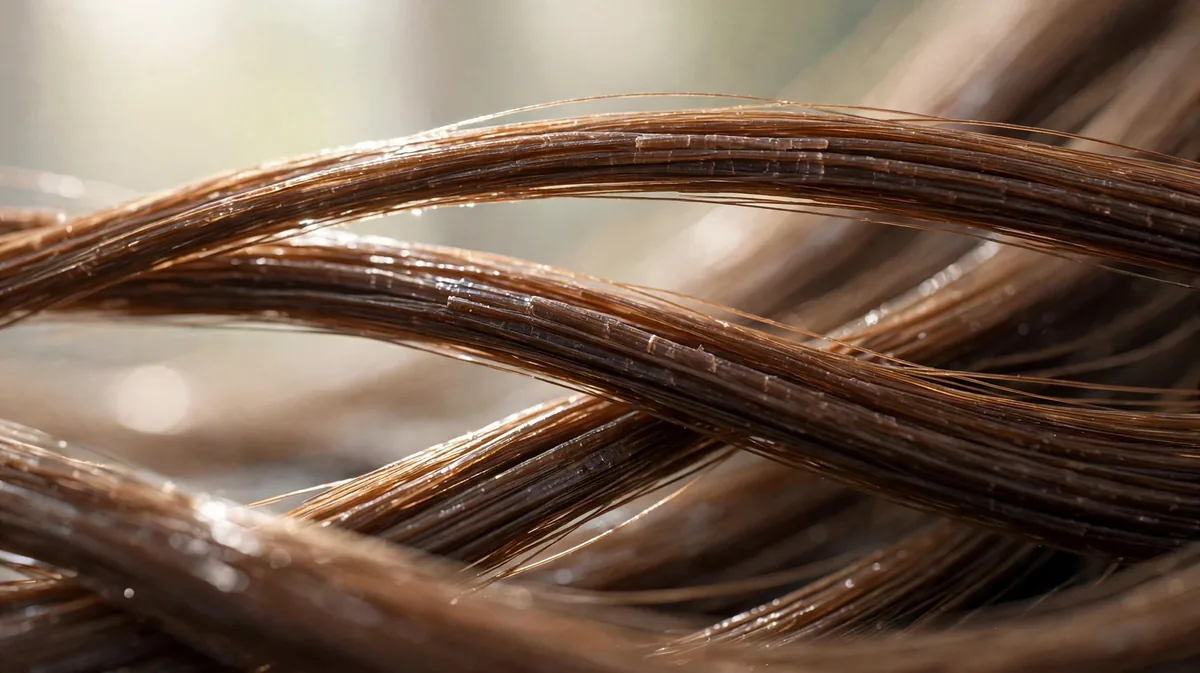
Every strand has three layers: the medulla at the center, the cortex as the main body, and the cuticle wrapped around the outside like a protective skin. The cuticle is made of tiny overlapping scales, and how those scales lie decides how porous your hair is, as Healthline explains in its guide to hair porosity.
When the scales lie flat and tight, water and products struggle to get in: that is low porosity. When they sit slightly raised, moisture moves at a steady pace: medium porosity. When they are lifted or full of gaps, water rushes in but escapes just as fast: high porosity.
How to Test Your Hair Porosity at Home
For the most honest result, wash your hair first and let it dry with no products on it, because conditioners and oils coat the strand and change how it behaves in water. Take strands from a few areas too, since porosity varies across your head.
The Float Test
This is the best known hair porosity test, and it takes about five minutes.
- Fill a tall glass with room temperature water.
- Take a clean, dry strand from your brush.
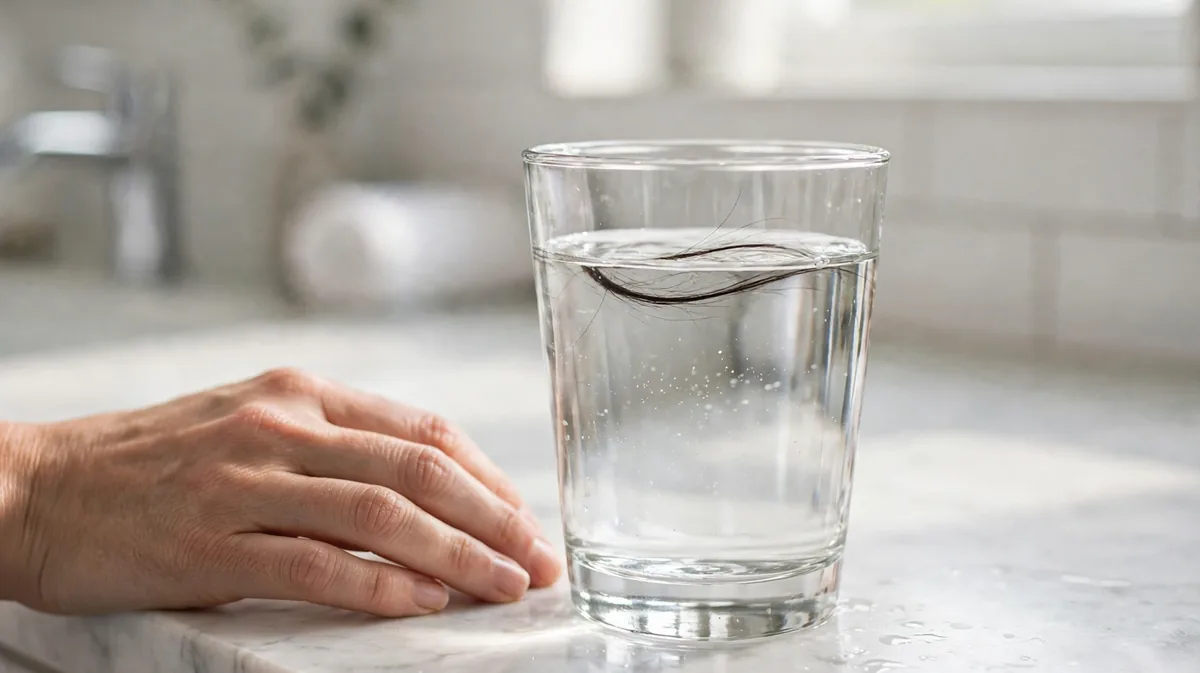
- Lay the strand gently on the surface of the water. Do not push it under.
- Wait two to four minutes and watch what it does.
A strand that still floats points to low porosity, because the tight cuticle keeps water out. One that sinks slowly and hovers mid glass suggests medium porosity. One that sinks quickly is probably high porosity, because water has rushed into gaps in the cuticle and weighed it down.
The Spray Test
The spray test shows how your hair handles water in real life, which many people find more useful than the glass.
- Take a small section of clean, dry hair.
- Mist it lightly with plain water from a spray bottle.
- Watch the droplets closely for half a minute.
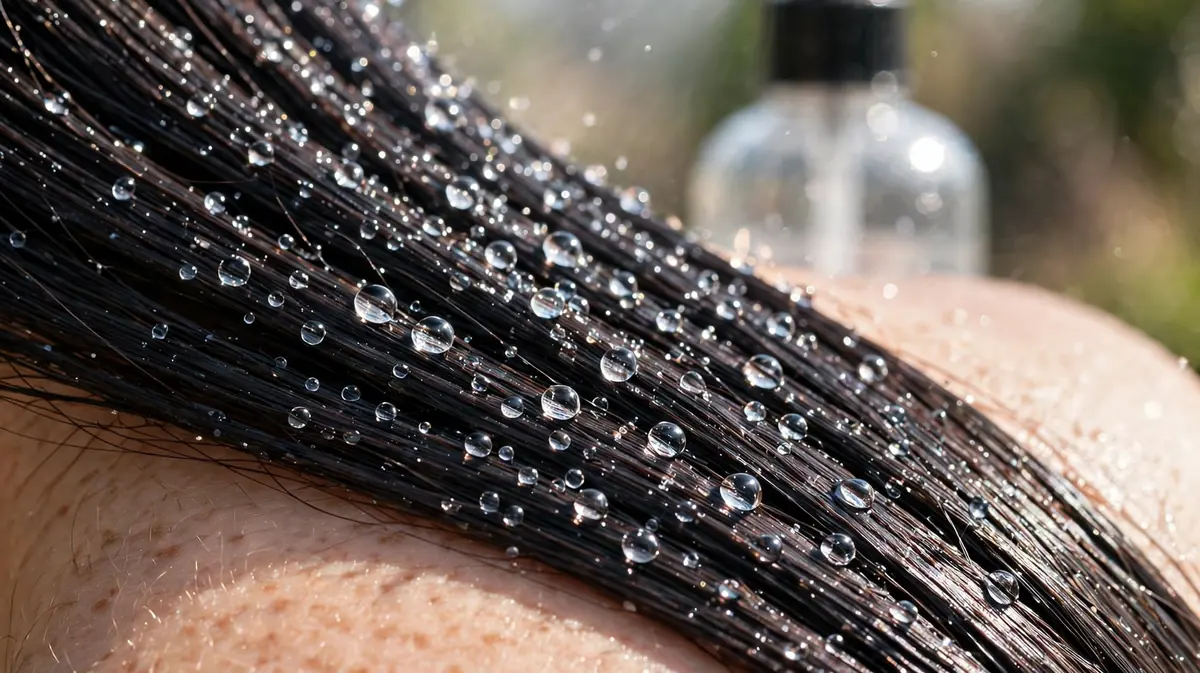
On low porosity hair, water beads up in round droplets while the hair underneath stays dry. On medium porosity hair, it rests briefly, then soaks in. On high porosity hair, it vanishes almost at once.
The Strand Feel Test
Hold one dry strand taut, then slide your thumb and forefinger slowly up it, from tip to root. A smooth glide means the cuticle lies flat, which suggests low porosity. Small bumps and roughness mean the cuticle is raised, which points to higher porosity. Davines describes this slip and slide method as a quick professional check of how open the cuticle is.
Why Your Results Might Not Agree
Different tests may give different answers, and that is normal. Many people have mixed porosity, with tighter hair near the scalp and more porous ends. One honest warning: the float test is the most shared method online, yet Healthline notes in its guide to caring for low porosity hair that medical experts consider it unvalidated, and no home test measures porosity precisely. Treat the tests as clues, not a verdict, and watch how your hair behaves across a normal week.
Low Porosity Hair: Signs and How to Care for It
If your strand floated and water beaded on your hair, this is your section.
Signs of Low Porosity Hair
Your hair takes a long time to get fully wet in the shower, even under running water. Products seem to sit on top of your hair instead of soaking in, and residue is common. Your hair takes hours to air dry, far longer than you expect.
WebMD describes the same pattern: slow to absorb water, slow to dry, and prone to buildup on the surface.
Best Routine and Ingredients for Low Porosity Hair
The goal is to help moisture past the cuticle, then keep everything light. Choose lightweight, water based products, because thin lotions and milky conditioners spread far better than thick creams and heavy butters. Look for humectants such as glycerin, aloe vera and honey in your low porosity hair products, since humectants draw water towards the hair, which is what a tight cuticle needs.
Deep condition with gentle heat, using a warm towel over a shower cap while the conditioner works, so the cuticle lifts enough to let moisture in. Clarify every few weeks too, because the film of product this hair type collects is often the real reason moisture cannot get in. If your scalp also feels coated, separate buildup from an oily scalp: our guide on why hair gets greasy explains how to tell them apart.
Medium Porosity Hair: Signs and How to Care for It
Medium porosity hair is the easy middle ground: it gets wet at a steady pace, holds moisture for days rather than hours, takes color evenly, and usually holds a style without a fight. If your strand hovered mid glass, you likely sit here.
Care is about balance and protection. Alternate moisture with a little protein rather than leaning hard on either one. Clarify now and then, and use heat protection when you style, because repeated heat pushes this type towards the fragile high end. If your curls keep falling flat despite a medium result, product weight or technique is the likelier culprit, and our guide on why hair does not hold a curl works through those causes.
High Porosity Hair: Signs and How to Care for It
If your strand sank fast and your hair drinks up water, then feels dry again by evening, this is your type. It absorbs moisture easily. Keeping it is the hard part.
What Causes High Porosity Hair?
Some people are born with it, but more often it is earned. Frequent heat styling, bleaching, chemical straightening, sun exposure and harsh washing chip and lift the cuticle over time. Damage collects towards the ends, which is why the ends of long hair are usually more porous than the roots.
Best Routine for High Porosity Hair
Add protein in moderation. Protein treatments help fill gaps in a damaged cuticle and give the strand temporary strength, so hair feels less fragile and holds moisture longer.
Use richer conditioners and layer your products: a leave in conditioner first, then a cream, then a sealing oil or butter to slow moisture escaping. Rinse with cool water at the end of your wash, because it helps the cuticle settle flatter than very hot water. Go gently with heat and color too, since this type has the least protection to spare.
Frizz is the daily complaint here, because dry air pulls moisture out and damp air pushes more in. Our roundup of anti frizz hair products covers the creams and serums that help seal the strand and calm that cycle.
Hair Porosity Care at a Glance
Here is the whole picture in one place.
| Porosity type | What you will notice | Care focus |
|---|---|---|
| Low | Floats in the glass test, water beads up, slow to wet and dry, buildup is common | Lightweight water based products, humectants, deep conditioning with heat, regular clarifying |
| Medium | Sinks slowly, absorbs moisture steadily, holds styles and color well | Balanced routine, protein and moisture in rotation, heat protection |
| High | Sinks fast, soaks up water quickly, dries fast, frizzes and tangles easily | Protein in moderation, richer conditioners, layering and sealing, less heat |
Common Hair Porosity Mistakes to Avoid
- Testing hair coated in product. Buildup changes how a strand floats, so always test on clean hair.
- Piling heavy butters onto low porosity hair. Thick products cannot pass a tight cuticle, so they coat the surface and worsen dryness.
- Skipping protein when your hair is highly porous. A damaged cuticle needs that support to hold moisture.
- Overdoing protein on hair that does not need it. Too much leaves hair stiff and brittle, so increase it slowly.
Frequently Asked Questions
Can hair porosity change over time?
Yes. Hair near the scalp is new growth and sits closer to your natural porosity, while the older ends have survived more heat, sun and styling and often test as more porous. Bleaching, coloring and chemical straightening can raise porosity in a single appointment.
Is the float test accurate?
It is a useful clue and nothing more. The method has not been scientifically validated, and leftover product, water temperature and strand thickness can all sway the result. Use it with the spray and feel tests, and trust the overall pattern.
How often should I test my hair porosity?
Every few months is plenty, and again after any big change, such as a bleach or color service, a chemical treatment or a major cut. After a fresh style like the butterfly haircut for medium hair, the older, more porous ends are gone, so results can shift.
Does porosity affect hair color results?
Yes, often more than people expect. High porosity hair grabs color quickly, can turn out darker than planned, then fades fast because the cuticle cannot hold the pigment. Low porosity hair resists color, so shades need longer to take evenly. Tell your stylist your result before any color appointment.
Knowing your porosity explains a great deal, including why a product your friend loves did nothing for you. Start with the tests, adjust one or two habits, and give your hair a few weeks to respond. Our hair care routine guide walks through a full week of washing, conditioning and styling you can adapt to your type. Healthline’s guide to hair porosity is a useful companion read while you run these tests.