
Dandruff vs Dry Scalp: How to Tell the Difference and Care for Each
If you brush your shoulders and see flakes, or if your scalp itches and feels tight, you may wonder whether you have dandruff or a dry scalp. The two problems look similar at first, but they have different causes, and they respond to opposite care in some cases. Treating the wrong one can make flakes and itching worse.
This guide explains the signs, a simple checklist, a gentle routine for each, common mistakes, and when professional advice is needed. This is general information only, not a diagnosis, and it does not replace advice from a dermatologist.
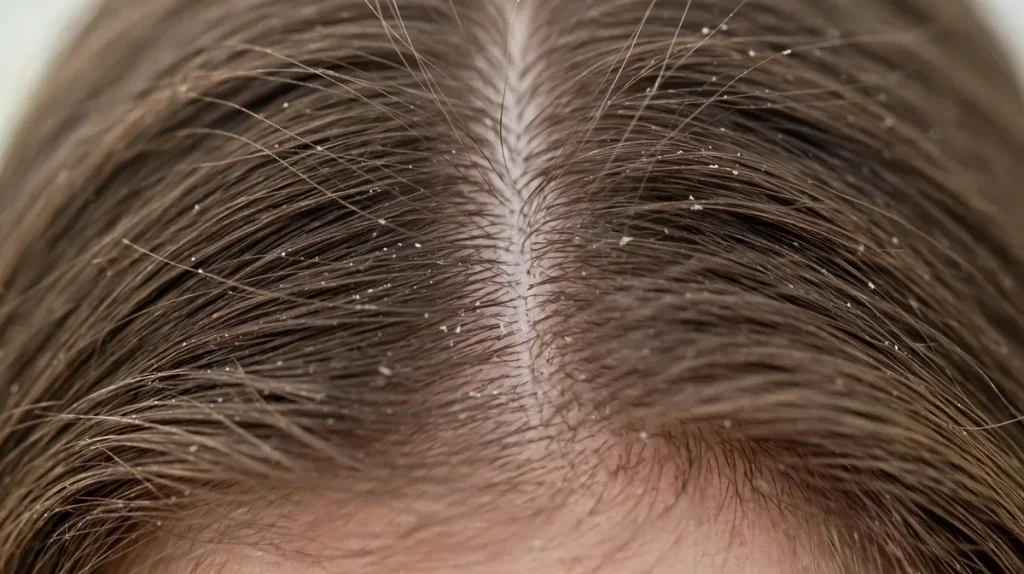
Dandruff vs Dry Scalp at a Glance
Dandruff is usually linked to oil and to a yeast that lives naturally on skin. A dry scalp is usually linked to a lack of moisture in the skin itself. Look at the flakes, the feel of your scalp, and the skin on the rest of your body.
| Feature | Dandruff | Dry scalp |
|---|---|---|
| Flakes | Larger, yellowish or oily flakes that may stick to hair and scalp | Smaller, dry, white flakes that may fall easily onto shoulders |
| Scalp feel | Often oily, itchy, and sometimes red or irritated | Often tight, dry, and itchy, with dryness after washing |
| Skin elsewhere | Skin on eyebrows, ears, or chest may also be flaky or oily | Skin on arms, legs, or hands may also feel dry, especially in cold weather |
| Common triggers | Oily skin, stress, cold weather, and infrequent washing | Cold dry air, hot water, harsh shampoo, and low humidity |
Use this table as a starting point. Many people have a mix of signs, and the pattern can change with the season.
What Is Dandruff?
Dandruff is a common scalp condition in which skin cells shed faster than usual and form visible flakes. It is not caused by poor hygiene alone, and it is not contagious. Many adults experience it at some point, and it can come and go.
The main cause is linked to oil and to a yeast called Malassezia, which lives on the skin of most adults. When oil increases, or when skin reacts to this yeast, shedding can increase and flakes can become larger. Stress, tiredness, cold weather, and washing too rarely can make dandruff worse, because oil and dead skin build up on the scalp.
Dandruff symptoms often include larger yellowish or slightly oily flakes, itching, and an oily scalp. Some people also notice flaking in the eyebrows or around the ears. If you are unsure about oil, read why does my hair get greasy to tell buildup apart from natural oil.
What Is a Dry Scalp?
A dry scalp happens when the skin on the scalp loses moisture and becomes dry, tight, and flaky. It is similar to dry skin on other parts of the body. It can be caused by cold dry air, low humidity indoors, very hot water, harsh shampoo, frequent washing with strong products, and ageing, which can reduce natural oil in the skin.
Dry scalp symptoms often include smaller, dry, white flakes, itching, and tightness, especially right after washing. Flakes tend to fall easily and look dry rather than oily. People with a dry scalp often notice dry skin elsewhere too, such as dry hands, arms, or legs, especially in winter.
A dry scalp is not the same as dandruff. With a dry scalp, the main problem is a lack of moisture. With dandruff, it is usually oil and faster shedding. That difference matters, because a product that helps one problem can make the other worse.
How to Tell If You Have Dandruff or Dry Scalp
Ask yourself these questions over a few days, rather than deciding from one wash.
- Do the flakes look large and slightly yellow, and do they stick to your hair or scalp? That points more toward dandruff.
- Do the flakes look small, white, and dry, and do they fall easily onto your clothes? That points more toward a dry scalp.
- Does your scalp feel oily, especially a day after washing? That points more toward dandruff.
- Does your scalp feel tight and dry, especially right after washing? That points more toward a dry scalp.
- Is the skin on the rest of your body dry, especially on your hands and legs? That points more toward a dry scalp.
- Do you also have flaking in oily areas, such as the eyebrows or around the ears? That points more toward dandruff.
If most answers point one way, that is a useful clue. If answers point both ways, you may have a mix. Do not scratch hard to test the scalp, because scratching can break the skin and increase irritation.
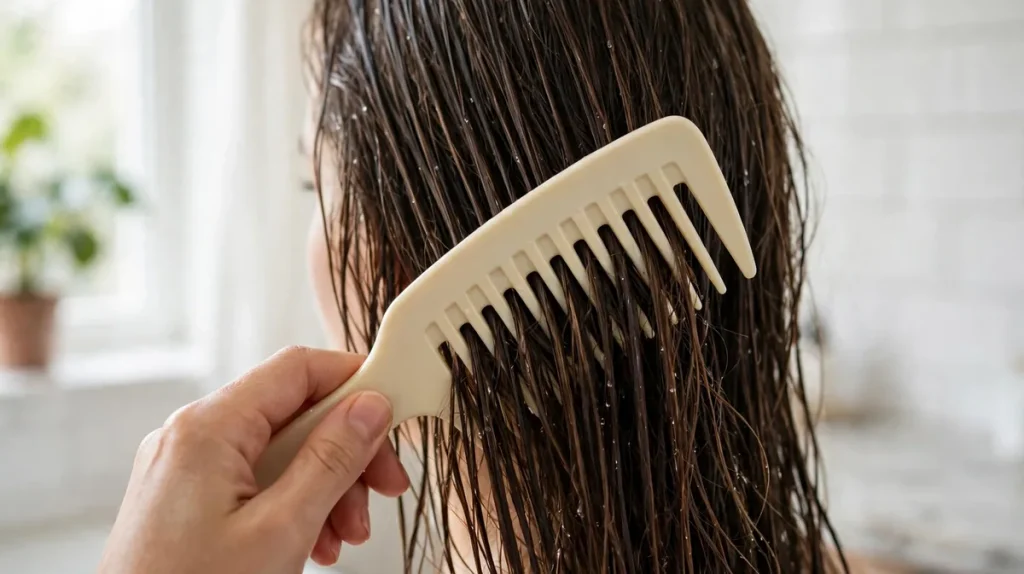
A Gentle Routine for Dandruff
Wash regularly enough that oil does not build up for many days, but avoid scrubbing hard or using very hot water. Use lukewarm water and a gentle shampoo made for dandruff, massage it into the scalp with your fingertips, leave it on for the time stated on the product, then rinse well. Follow with conditioner on the mid lengths and ends only, so the scalp does not become coated and oily again.
Dandruff shampoo ingredients vary. Some slow shedding, some reduce yeast, and some loosen flakes. If one does not help after a few weeks as directed, try a different ingredient, but do not use several medicated shampoos at once. For a simple wash day, read the full hair care routine.

A Gentle Routine for a Dry Scalp
Wash less often if your scalp feels stripped after every wash, and use lukewarm water rather than hot water. Choose a gentle, mild shampoo, and avoid products with strong fragrances or harsh cleansing agents if they leave your scalp feeling tight. Rinse well, and use conditioner on the mid lengths and ends.
A light scalp oil or a moisturising scalp treatment can help some people, but use only a small amount, and wash it out as directed, so buildup does not create a new problem. Dry scalp treatment at home works best as a steady habit. In cold weather, protect your scalp from wind and avoid long hot showers.

The Opposite Fixes Warning
Some fixes that help a dry scalp can make dandruff worse, and some fixes that help dandruff can make a dry scalp worse. Heavy oils can worsen dandruff, because oil can feed the conditions that allow yeast to thrive on an oily scalp, and a thick layer of oil can trap flakes against the skin. If you have dandruff, do not pour heavy oil onto the scalp and leave it for a long time.
Strong medicated shampoo can worsen a dry scalp, because it can strip moisture from skin that is already dry, leaving it tighter and itchier. If you have a dry scalp, do not use a strong dandruff shampoo every day. Start with the gentler option, use it regularly for a few weeks, and change only one thing at a time. If a product makes itching, redness, or flaking worse, stop using it and return to a gentle routine.
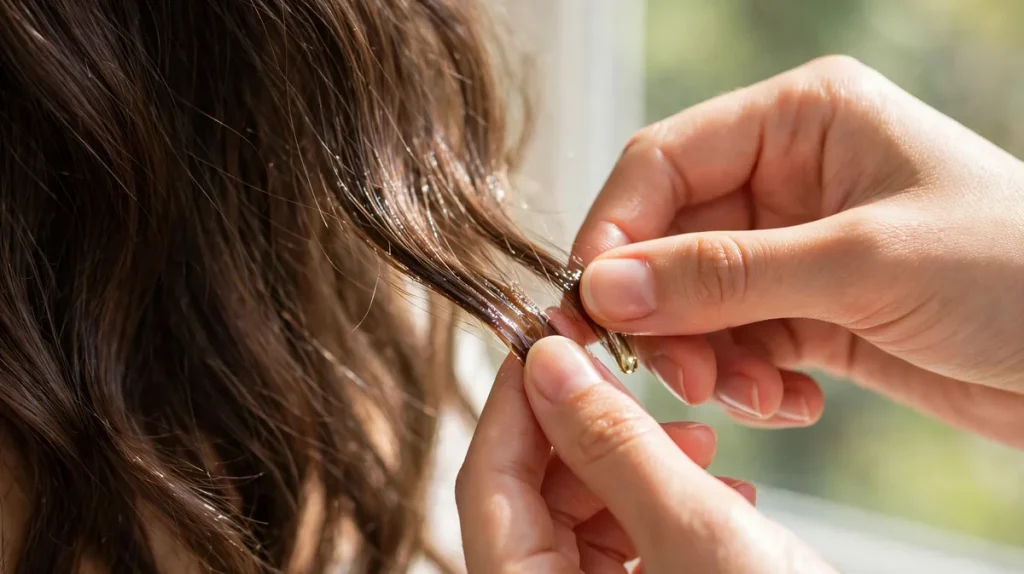
Common Mistakes to Avoid
- Scratching hard, which can break the skin and increase irritation.
- Washing with very hot water, which can strip natural moisture.
- Using many new products at once, so you cannot tell which one helped or harmed.
- Leaving heavy oil on the scalp for a long time, which can trap oil and flakes.
- Using strong medicated shampoo every day for a dry scalp, which can remove needed moisture.
- Expecting flakes to vanish after one wash. Both problems usually need a few weeks of steady care.
When to See a Dermatologist
Most mild cases improve with gentle, steady care, but seek professional advice if you notice severe redness, swelling, soreness, or broken skin, thick crusts, patches of hair loss, or sores that do not heal. Also seek advice if flaking spreads to large areas, if itching disturbs sleep, or if a routine makes symptoms worse after a few weeks.
Uncertainty is also a reason to seek advice, because dandruff, dry scalp, eczema, psoriasis, and other skin conditions can look similar and need different care. A sudden increase in shedding or visible thinning should not be ignored. If shedding increases alongside scalp symptoms, you can read why does my hair fall out so much to understand the difference between breakage and shedding, and then seek professional advice promptly.

Frequently Asked Questions
Can dandruff and dry scalp happen at the same time?
Yes, it is possible to have a mix, or for the pattern to change with the season. Look at several signs together, use gentle care first, and seek professional advice if you are unsure.
How long does it take to see improvement?
Allow a few weeks of steady care before judging a routine. Flakes may reduce gradually, rather than vanishing after one wash.
Should I wash more often if I have dandruff?
Washing regularly can help dandruff, because it reduces oil and shedding buildup. Wash often enough that oil does not build up for many days, but avoid harsh scrubbing and very hot water.
Should I wash less often if I have a dry scalp?
Washing less often can help a dry scalp, if washing leaves it feeling stripped. Use lukewarm water and a gentle shampoo, and focus conditioner on the lengths and ends.
Final Thoughts
Dandruff and dry scalp both cause flakes and itching, but they are not the same problem. Dandruff is usually linked to oil and faster shedding, while a dry scalp is usually linked to a lack of moisture. Look at flake size, scalp feel, and skin elsewhere, use the checklist in this guide, and choose a gentle routine that matches the pattern you see. Avoid opposite fixes, change one thing at a time, and give a routine a few weeks before judging it. If symptoms are severe, spread, or do not improve, seek advice from a dermatologist promptly. For a clear comparison of signs and treatments, see the Healthline dandruff vs dry scalp guide, and use it alongside the gentle routines in this article.