How to Fix Split Ends Without Cutting Hair
If you are growing your hair out, split ends feel like a cruel choice: cut them and lose length, or keep them and watch ends look dry. There is a middle path, but it starts with an honest fact. Once a hair shaft has split, it cannot truly heal, because hair is made of dead cells. No cream, oil or serum can permanently repair it.
Good care can temporarily seal a split, stop splits travelling up, and prevent new splits. That is the goal: manage damage, protect length, and remove only tiny tips when needed.
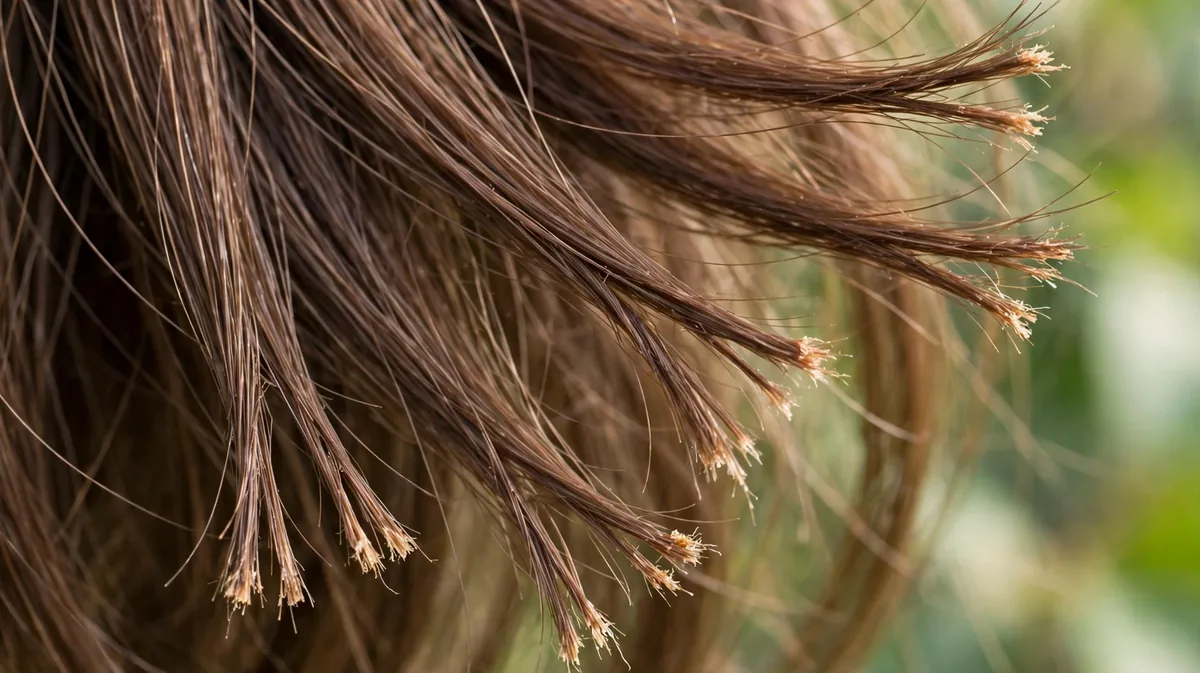
What Do Split Ends Look Like?
In bright light, look at the last few centimetres of a small section. Healthy ends look smooth. Split ends look frayed or forked, catch on each other, and feel dry even after washing.
Split Ends at a Glance
| Classic split | End divides into two strands | Gentle handling and dusting |
| Tree split | One strand branches into small strands | Dusting and deep conditioning |
| Feather split | Tiny splits along one strand | Dusting and moisture masks |
| Knot split | Curly hair forms a small knot | Moisture and gentle detangling |
Classic splits respond well to gentle care plus dusting. Tree or feather splits mean hair needs more moisture, less heat and dusting sooner.
Why Do Split Ends Happen?
Splits happen when the cuticle, the outer layer of hair, wears down and inner fibres separate. Ends are oldest, so they have survived the most washing, brushing and heat.
Heat, colour and bleach are major causes. Straighteners, curling tools and very hot blow drying dry hair and crack the cuticle. Rough handling also causes splits: brushing wet hair roughly, tearing tangles, rubbing with a rough towel and wearing very tight styles daily.
How Should You Wash Hair With Split Ends?
Use lukewarm water and a gentle, sulfate free shampoo on the scalp only. Let lather rinse through the ends, rather than scrubbing them. Follow with conditioner on the mid lengths and ends only, leave it a few minutes, then rinse. Washing 2 to 4 times a week is enough for many people. Read our full hair care routine for a simple wash day that keeps moisture in the lengths.

Can Deep Conditioning Help Split Ends?
Yes, as a weekly habit. Use a mask for dry or damaged hair, with shea butter, oils or ceramides. Apply it mid lengths to ends only, comb through gently, leave it as directed, then rinse.
For hair that feels coated easily, use a lighter mask with gentle warmth. For hair that dries out fast, use a richer mask and a sealing oil after washing. Be careful with protein. A mild treatment can help stretchy hair, but too much can make hair stiff and likely to snap. If hair feels straw like after protein, pause it and return to moisture masks.

How Should You Use Oils and Serums?
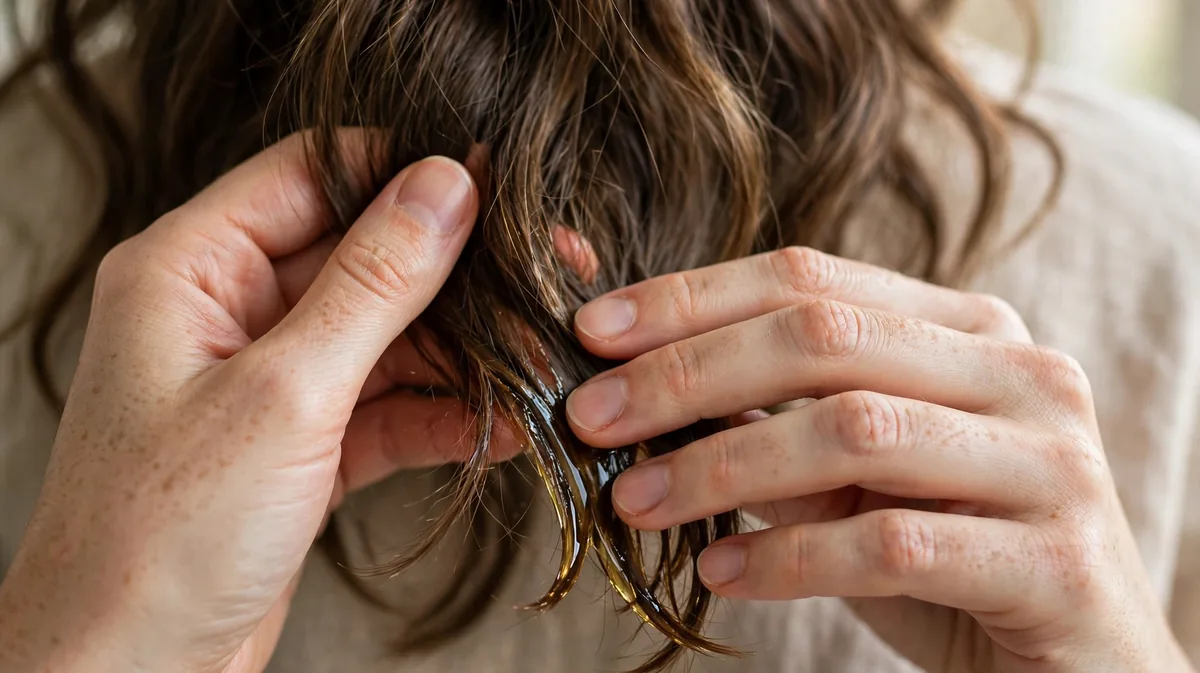
Oils do not repair a split, but they smooth the cuticle, reduce friction and make ends look less frizzy. Coconut oil, argan oil and jojoba oil are useful examples. Use only 2 to 3 drops for medium length hair, warm the oil between your palms, and smooth it over the last few centimetres of damp or dry hair.
Do not pour oil on the scalp unless you plan to wash it out. Heavy oil there can leave roots flat and greasy. If you are unsure why roots look oily, learn why your hair gets greasy to tell buildup apart from natural oil. A silicone based serum can also help before humidity. Use a small amount, ends only.
How Can You Use Heat Without Making Splits Worse?
If you use heat, protection is essential. Apply a heat protectant evenly through damp hair before styling. Use the lowest temperature that works, keep the tool moving, and avoid repeat passes on one section. Air drying is gentlest. Include at least 2 heat free days each week.
How Should You Detangle Split Hair?
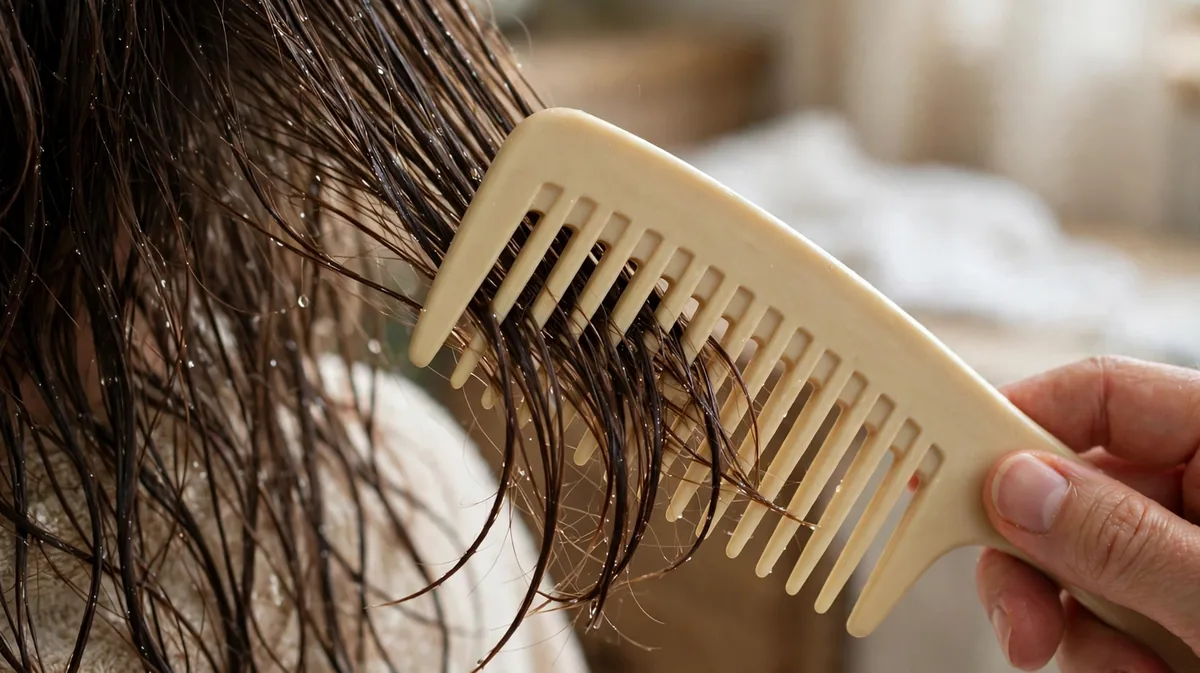
Always detangle with conditioner or spray in the hair. Start at the ends, work out the lowest tangles, then move higher. This avoids dragging a knot from the roots through fragile ends.
Use a wide tooth comb for wet hair and a soft brush for dry hair. If you hit a tangle, hold hair above it and work it apart slowly. Never tear through it. At night, sleep on a silk or satin pillowcase and wear a loose braid or bun, not a tight ponytail.
What Is Dusting, and Why Is It the Only Permanent Fix?
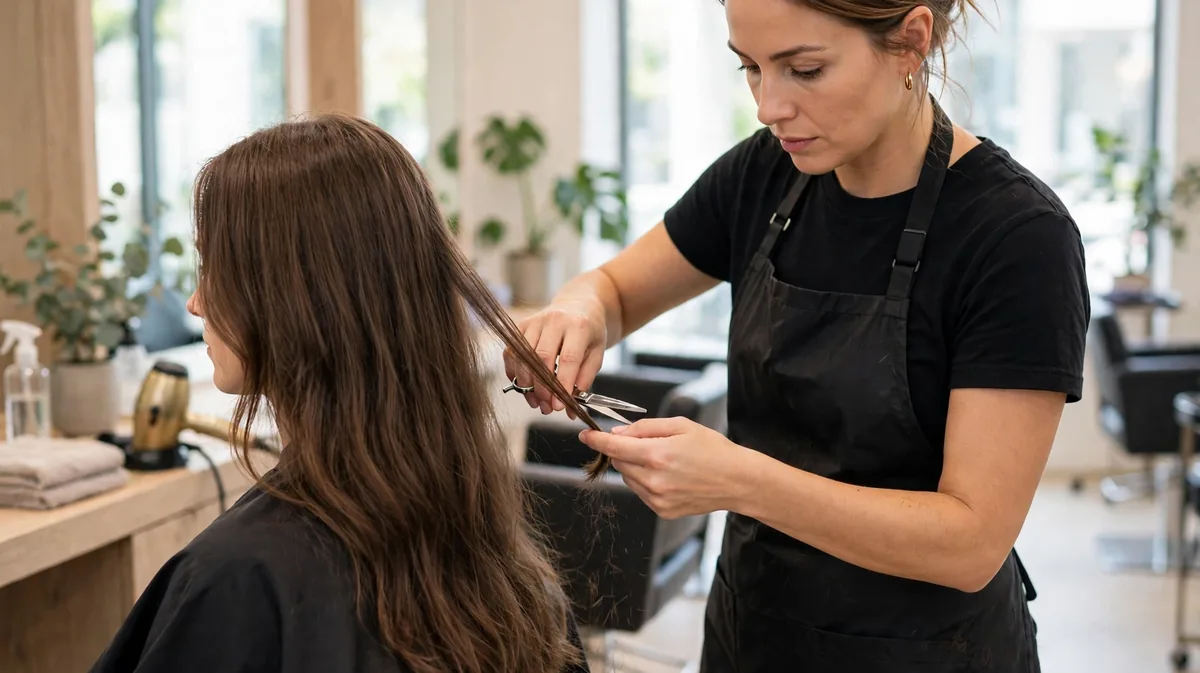
Dusting, sometimes called a micro trim, is the only way to truly remove a split end. It is not a haircut. A stylist, or you with sharp hair scissors, trims only the very tips, often just a few millimetres, while keeping almost all length. Dusting every 8 to 12 weeks is enough for most people.
Dusting stops a split travelling up, where hair gets thinner and breaks. Use sharp hair scissors only, never kitchen or dull scissors, which crush hair and create new splits. If nervous, ask a stylist and explain clearly that you want length kept.
What Does a Simple Weekly Routine Look Like?
- Wash 2 to 4 times a week, shampoo on the scalp only, conditioner on mid lengths and ends.
- Use a deep conditioning mask once a week, applied to the ends.
- Smooth 2 to 3 drops of oil or a small amount of serum over the ends after washing.
- Use heat protectant every time you use heat, keep heat low, and include 2 heat free days.
- Detangle gently from the ends upward, with conditioner or spray in the hair.
- Sleep on silk or satin, with hair in a loose braid or loose bun.
- Book a dusting every 8 to 12 weeks.
If busy, keep the essentials: gentle detangling, heat protection and ends only oil.
How Can You Prevent New Split Ends?
- Detangle from the ends upward, never by tearing through knots.
- Use heat protectant every time you use heat, and keep heat low.
- Deep condition once a week and do not overdo protein.
- Use oil or serum on the ends only, in small amounts.
- Sleep on silk or satin and avoid very tight styles daily.
- Dust ends every 8 to 12 weeks, not after many months.
- Dry gently with a microfibre towel or soft T shirt, by squeezing, not rubbing hard.
- Protect hair from sun and wind with a hat or scarf outdoors.
What Should You Avoid With Split Ends?
Do not overdo protein, especially if hair already feels stiff. Do not use heavy oils on the scalp and then wash more often to remove them. Do not brush wet hair aggressively with a fine brush, and do not use dull scissors.
Do not expect one product to glue a split shut forever. Sealing products can smooth ends for a wash or two, then wash out. They are styling aids, not cures, and work best with dusting and prevention. If frizz is your main frustration, look at anti frizz hair products for smooth lengths without heavy buildup.
Frequently Asked Questions
Can split ends really be repaired without a trim?
No, not permanently. Products can temporarily seal a split, but only trimming removes it. Dusting removes very little length.
How often should I dust my ends?
Every 8 to 12 weeks works for most people. If hair is fine, coloured or heat styled often, dust closer to every 8 weeks.
Will oil fix my split ends?
Oil will not fix a split, but it smooths ends and helps prevent new splits. Use a small amount on the ends only.
Are split ends worse in curly hair?
Curly hair is more prone to knots, because curls catch on each other. Gentle detangling, extra moisture and loose styles help.
Should I stop using heat completely?
You do not have to stop completely, unless a stylist advises a break. Use heat less often, protectant every time, and the lowest temperature that works.
How long until my hair looks healthier?
Ends often feel softer after the first mask, but allow at least 4 to 6 weeks and one dusting to judge progress.
Final Thoughts
You can keep length and care well for split ends, if you are honest about each step. Gentle washing, weekly masks, light oils on ends only, heat protection, careful detangling and dusting will not glue a split shut, but together they make ends smoother and less likely to break. For a brand guide to removing split ends step by step, see the L’Oreal Paris guide to removing split ends.